Master Production Scheduling (MPS)
The Master Production Schedule (MPS) is a critical tool for planning and controlling production. It defines what products need to be produced, when, and in what quantities—ensuring that production aligns with customer demand efficiently. MPS serves as the bridge between sales forecasts and manufacturing operations.
Key Functions of MPS:
- Product Planning: Defines which products to manufacture, their quantities, and the timeline for production.
- Linking Sales and Production: Ensures production capacity aligns with sales commitments for accurate delivery scheduling.
- Raw Material Procurement: Integrates with the BOM to determine raw material requirements and synchronize procurement with inventory levels.
- Forecast-Based Planning: Uses sales forecasts and demand trends to create accurate and flexible production schedules.
- Dynamic Scheduling: Adapts production schedules to market changes and resource availability.
- Optimized Production Flow: Reduces bottlenecks and minimizes excess inventory by aligning production with real demand.
Benefits of MPS:
- Ensures alignment of sales and production.
- Improves inventory control and reduces overproduction.
- Enhances cost efficiency by minimizing storage and procurement costs.
- Allows flexible adaptation to changing market conditions.
- Supports better managerial decision-making through production visibility.
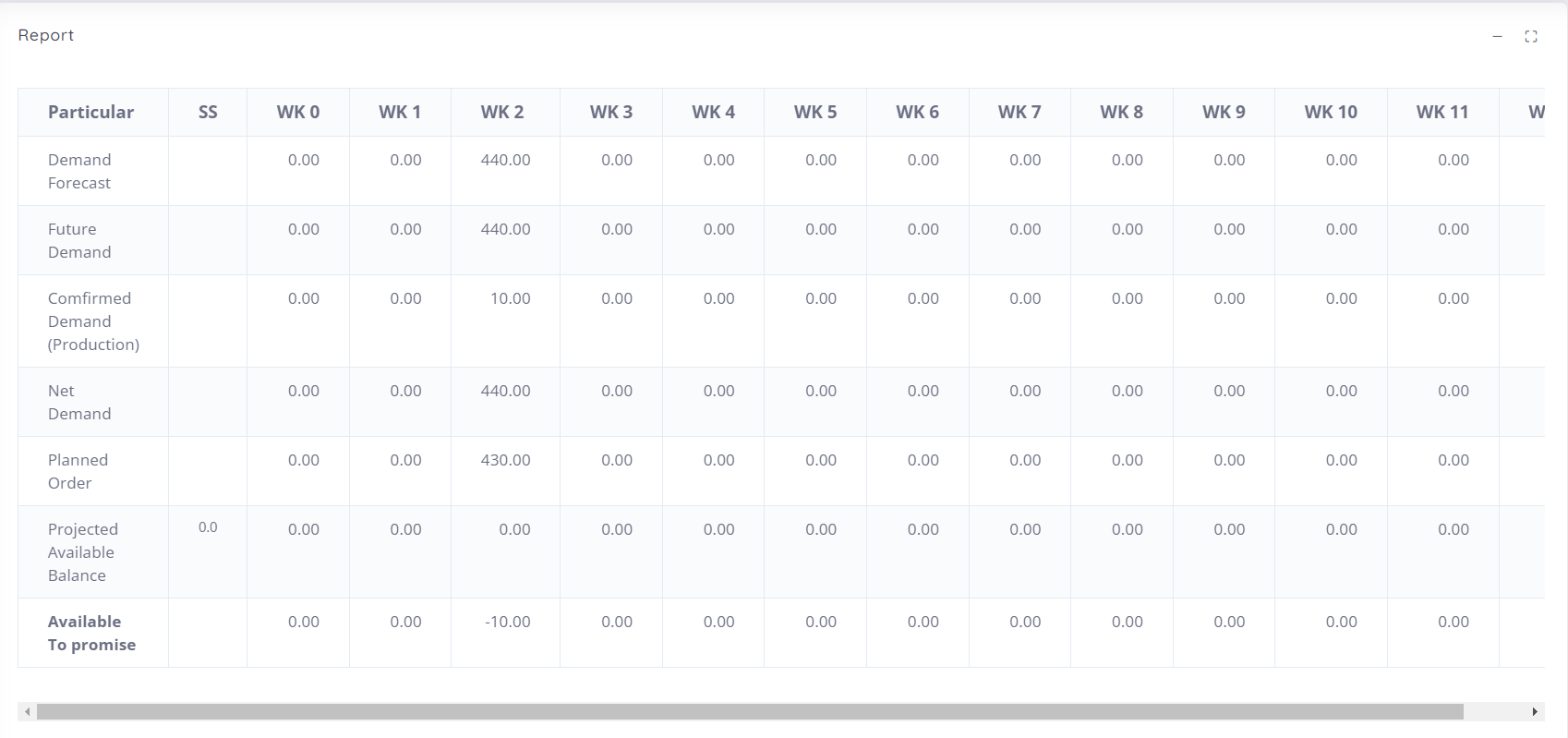
In essence, MPS ensures the right product is manufactured at the right time, optimizing resource utilization and maintaining a balance between demand and supply.
Material Requirement Planning (MRP)
Material Requirement Planning (MRP) is the backbone of modern manufacturing systems. It determines the raw materials and components needed to meet production demands as specified by the MPS, ensuring timely procurement and optimal inventory levels.
Core Functions of MRP:
- Data Collection from Sales Orders & Forecasts: Aligns material planning with real-time or forecasted demand.
- Integration with MPS: Converts MPS outputs into raw material requirements using BOM data.
- Bill of Materials (BOM) Analysis: Identifies every component required for finished goods production.
- Supply & Demand Synchronization: Generates purchase or production orders to maintain a smooth workflow.
- Demand Forecasting: Projects material needs based on sales patterns for proactive planning.
- Just-In-Time Inventory: Minimizes inventory storage by ensuring materials arrive exactly when needed.
Benefits of MRP:
- Ensures accurate material availability and avoids production delays.
- Aligns production with real-time demand and forecasts.
- Improves efficiency and reduces lead times.
- Minimizes inventory holding costs through JIT practices.
- Provides insights for better forecasting and planning decisions.
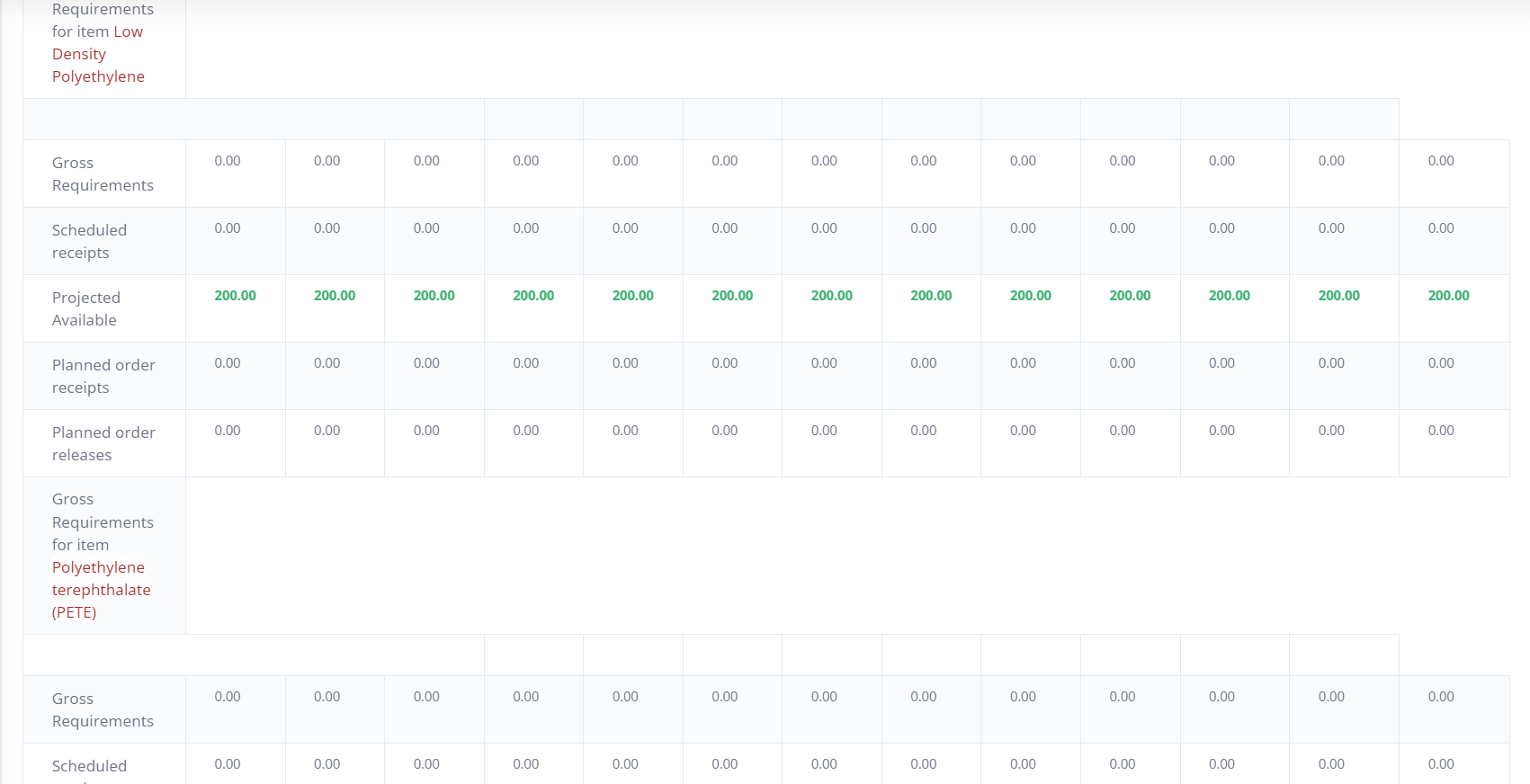
Overall, MRP integrates demand forecasting, production scheduling, and procurement into one unified process, helping organizations achieve lean manufacturing and maintain seamless supply chain efficiency.
Get Started with Peacksoft ERP Today
Intuitive solutions on cloud with integrated features like Accounting, Purchase, Sales, Production, CRM, Payroll, Inventory & Filing of all compliances. . Call us at +91-86608 58802 (M: 9845167247) to schedule a consultation.